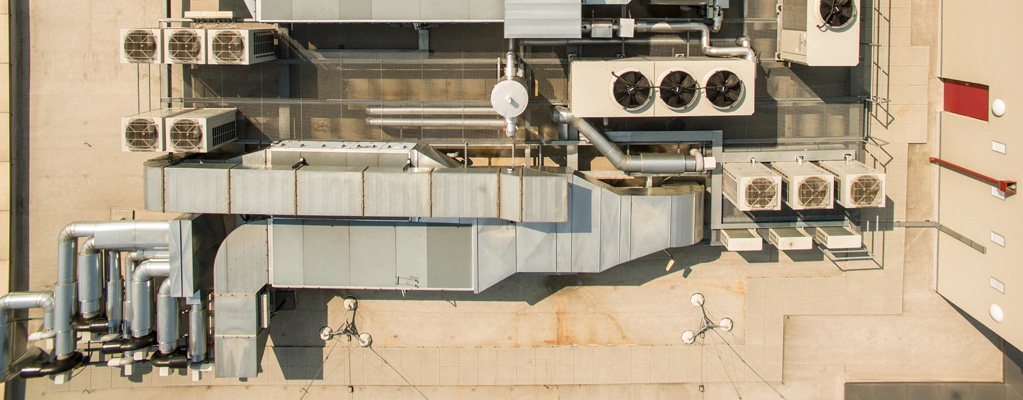
Designing the systems that power, support, and sustain modern buildings.
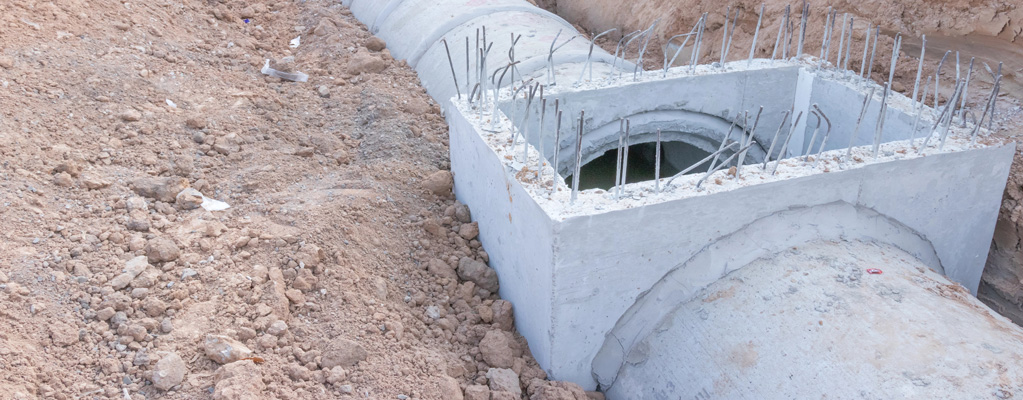
Preparing sites and infrastructure to support successful development.
Technology: Revit/BIM, digital coordination, automation, analytics, Artificial Intelligence
Processes: SOPs, internal workflows, QA/QC systems
Information: Gathering better existing-condition information, communicating decisions, maintaining project visibility
Expertise: Bringing the right technical expertise to a problem
Adaptability: Choosing the right tool for the project rather than forcing every project through the same process
Technology handles repetitive, computational, and coordination-intensive work so our engineers can spend more time engineering: evaluating alternatives, solving problems, and making informed design decisions. The result is better-conceptualized, better-coordinated designs rather than simply faster production.
The use of our advanced tools allows us to move information, evaluate options, coordinate disciplines, and produce deliverables more efficiently. That means less waiting for the engineering team and faster project momentum.
Applying our tools to every project results in capacity to provide services that might otherwise be treated as extras, such as basic lifecycle cost analysis, energy considerations, system alternatives, and other performance-oriented evaluation, as part of our normal engineering process.
Technology: Revit/BIM, digital coordination, automation, analytics, Artificial Intelligence
Processes: SOPs, internal workflows, QA/QC systems
Information: Gathering better existing-condition information, communicating decisions, maintaining project visibility
Expertise: Bringing the right technical expertise to a problem
Adaptability: Choosing the right tool for the project rather than forcing every project through the same process
Technology handles repetitive, computational, and coordination-intensive work so our engineers can spend more time engineering: evaluating alternatives, solving problems, and making informed design decisions. The result is better-conceptualized, better-coordinated designs rather than simply faster production.
The use of our advanced tools allows us to move information, evaluate options, coordinate disciplines, and produce deliverables more efficiently. That means less waiting for the engineering team and faster project momentum.
Applying our tools to every project results in capacity to provide services that might otherwise be treated as extras, such as basic lifecycle cost analysis, energy considerations, system alternatives, and other performance-oriented evaluation, as part of our normal engineering process.